What Is Coming Back to Hunt Street?
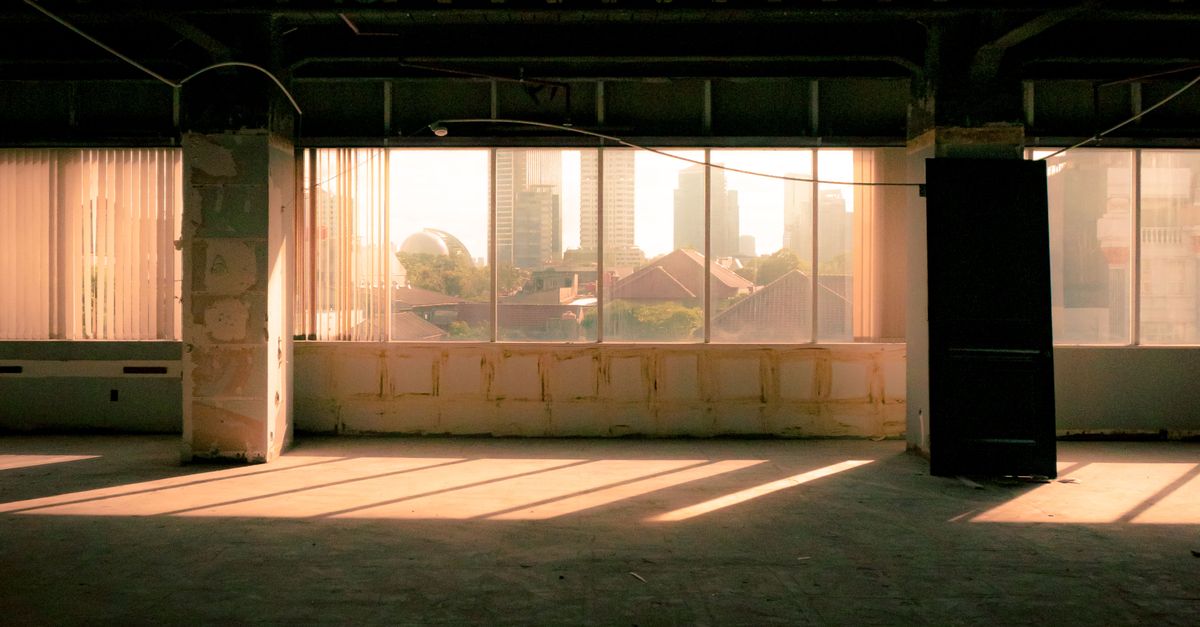
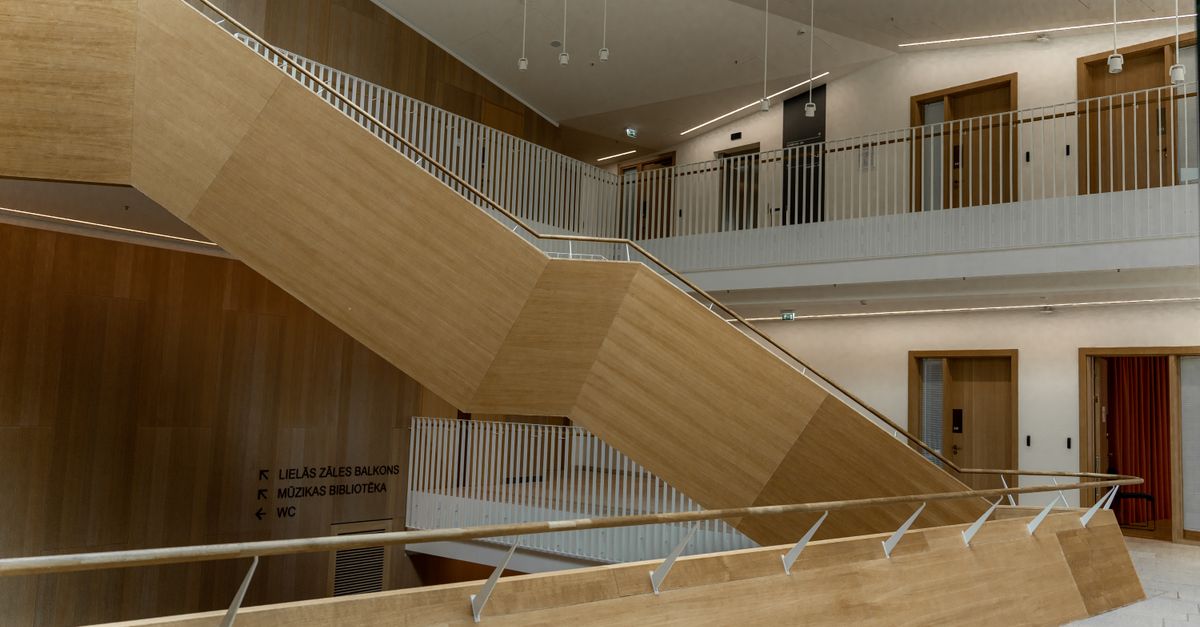
For residents who have watched the corner of East Hunt Street with anticipation, the wait appears to be nearly over. The Roy & Helen Hall Memorial Library, a fixture of Historic Downtown McKinney, is anticipated to reopen this month following a renovation that has transformed the building into something considerably more ambitious than a traditional branch library.
The upgrades are not cosmetic. When the doors reopen, visitors will find a free Planetarium, a 2,500-square-foot exhibit area purpose-built to host traveling exhibits, and a dedicated Teen space — a combination that positions the library as a civic anchor for multiple generations simultaneously.
Why Does a Library Need a Planetarium?
The question is reasonable, and the answer reveals something about how municipal libraries are rethinking their role in community life. Traditional libraries have faced sustained pressure to justify physical space in an era when digital borrowing is frictionless and information retrieval no longer requires a card catalog or a reference desk. Many library systems across the country have responded by layering in programming and experiential amenities that cannot be replicated on a smartphone screen.
A planetarium fits squarely within that strategy. Unlike a database subscription or an e-book platform, a planetarium delivers a shared, immersive experience that depends on people being physically present together. For McKinney families, particularly those whose children are working through science curricula in Collin County schools, access to a free planetarium at a public library represents a meaningful supplement to classroom instruction — one that carries no ticket price and no driving distance to a larger metro institution.
The fact that the planetarium is described as free is worth pausing on. Planetarium programming at museum facilities frequently carries a per-person admission charge on top of any general entry fee. Embedding the feature inside a public library, where baseline access is already free to cardholders, removes that barrier entirely.
What Does 2,500 Square Feet of Exhibit Space Actually Mean?
The renovation includes a dedicated 2,500-square-foot area designed to accommodate traveling exhibits. To put that figure in context, it is a substantial footprint for a library setting — large enough to host the kind of curated, multi-panel exhibitions that typically circulate through regional museums and cultural institutions.
Traveling exhibits operate on a loan model: a producing organization — often a university, a science foundation, a historical society, or a national museum consortium — develops a self-contained exhibit and then schedules it across a roster of host venues for weeks or months at a time. Host venues pay a licensing fee and handle installation; in return, they offer their community a rotating program of content that would be prohibitively expensive to produce independently.
For a mid-sized city like McKinney, this model is practical and cost-effective. Rather than commissioning permanent installations, the library can cycle through exhibits on astronomy, natural history, fine art, cultural heritage, or civic history, keeping the programming fresh across multiple visits per year. Residents who make the library a regular stop will encounter different content each time, which is a meaningful driver of repeat engagement.
The 2,500-square-foot specification also signals that the library is positioning itself to attract exhibits with some physical scale — not just tabletop displays or poster boards, but installations that require real floor space and height clearance. That distinction matters when institutions are competing on a national circuit for desirable exhibit titles.
Who Is the Teen Space For, and Why Does It Exist Separately?
The inclusion of a dedicated Teen space in the renovation reflects a demographic reality that library planners have grappled with for years. Teenagers are among the most underserved library patrons when it comes to physical environment. Children’s sections are designed around small bodies, low shelving, and picture books. Adult reading rooms carry social norms — quietude, stillness — that adolescents frequently find unwelcoming or simply boring.
The result, in libraries without intentional teen programming, is a gap: older kids age out of the children’s section and find nothing in the building that feels like it belongs to them. Circulation numbers among teens tend to reflect this. A Teen space addresses the problem directly by creating a zone where the furniture, the programming, the collections, and the ambient expectations are calibrated to that age group.
In a city with the growth trajectory McKinney has experienced over the past decade, the school-age population is not a marginal consideration. Collin County has added residents steadily, and the downstream effect on youth programming demand is real. A dedicated Teen space at the downtown library expands the city’s infrastructure for that age cohort in a way that complements, rather than duplicates, what schools provide.
How Does This Fit Into McKinney’s Broader Library System?
McKinney’s public library system already includes the John and Judy Gay Library on West Eldorado Parkway, which serves the western and newer residential portions of the city. The Roy & Helen Hall Memorial Library at 101 E. Hunt Street occupies a different geographic and symbolic position — it sits within Historic Downtown, a district the city has invested in maintaining as a walkable, culturally active core.
Reopening the downtown branch with substantially expanded amenities reinforces that investment. A library that offers a planetarium and rotating exhibits draws visits that might otherwise skip downtown altogether, particularly from families who now have a concrete educational reason to make the trip. That kind of foot traffic has ripple effects for the surrounding blocks of shops, restaurants, and cultural venues that make up the downtown economy.
The McKinney Public Library Foundation has been part of supporting the library system’s capacity, and the renovation represents the kind of capital project that reflects sustained institutional commitment rather than a one-time budget allocation.
When Can Residents Actually Walk Through the Door?
The anticipated reopening is this month — October 2026. The library is located at 101 E. Hunt Street in Historic Downtown McKinney. Residents interested in programming schedules, planetarium show times, or information about the traveling exhibit calendar would do well to check the McKinney Public Library’s official page for updates as the reopening approaches.
For a building that has been offline during renovations, the return to service carries genuine community weight. The combination of a free planetarium, a serious exhibit gallery, and purpose-built teen programming makes the Roy & Helen Hall Memorial Library’s reopening one of the more substantive civic developments in downtown McKinney this fall — the kind of quiet infrastructure investment that tends to pay returns over years rather than news cycles.