A Farm Takes Root on Gray Branch Road
Stand at the edge of Gray Branch Park on a August morning and the air already carries something different — the green-and-dirt smell of irrigated soil where a lawn used to be. This month, Phase 1 of the McKinney Roots community farm at 1299 Gray Branch Road officially opens, turning a stretch of city parkland into one of the more ambitious civic agriculture projects North Texas has seen from a municipality of McKinney’s size.
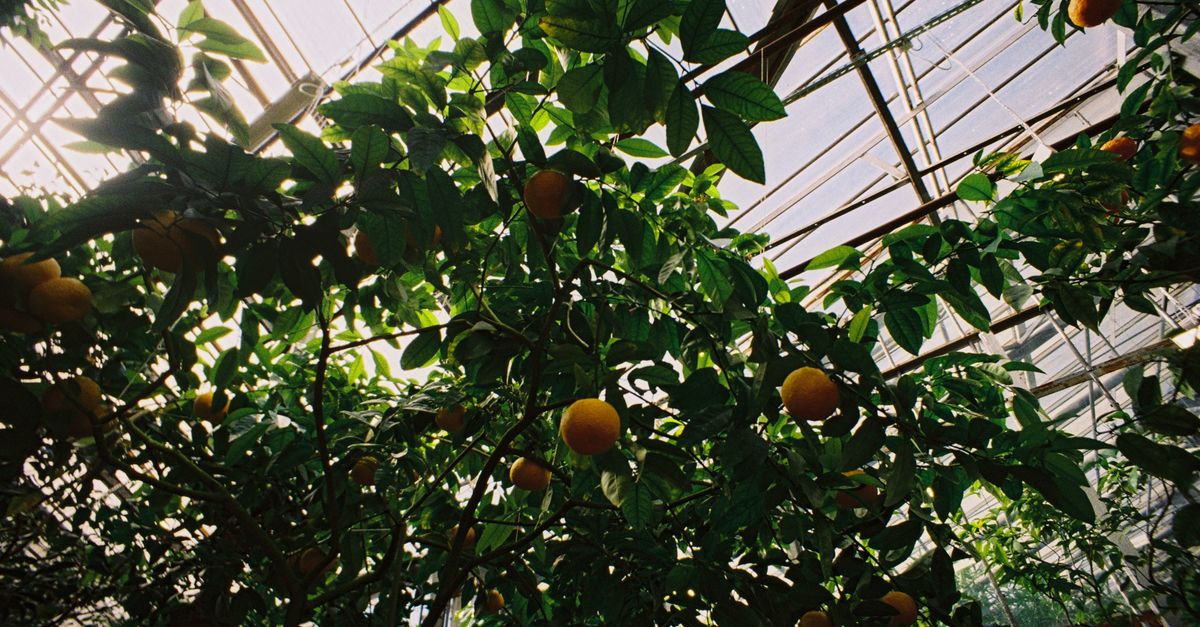
The numbers are worth sitting with for a moment. The farm spans 62 acres. Its orchard alone holds 200 trees — a mix of peach and pear varieties suited to North Texas summers. A hydroponics greenhouse rounds out the growing operation, and a community center anchors the educational side of the property. That combination — food production alongside structured learning — is what separates McKinney Roots from a simple municipal garden plot.
Not Just a Growing Operation
The farm is organized as a nonprofit, which shapes everything about how it intends to operate. Revenue from what it grows is secondary to what visitors and participants take away from the experience. The explicit goal is hands-on learning: the kind of agricultural literacy that rarely makes it into a classroom but tends to stick with people who encounter it directly.
For McKinney families, that means children who have never watched a peach develop from blossom to fruit could do exactly that here. For older residents, the hydroponics greenhouse offers a look at soil-free growing systems that many associate with industrial facilities but that have real applications at the neighborhood and household scale. The community center provides a gathering point for workshops, demonstrations, and programming that the farm’s organizers have not yet fully detailed publicly — leaving room for the space to respond to what residents actually want to learn.
The nonprofit structure also signals something about long-term ambitions. A city-funded amenity can be reorganized or defunded through a budget cycle. A nonprofit with community investment behind it builds a different kind of durability, even when it operates on public park land.
Why Gray Branch Park
Gray Branch Park sits in a part of McKinney that has grown quickly over the past decade, surrounded by the kind of residential development that tends to prioritize convenience over civic gathering space. A 62-acre working farm does the opposite — it asks people to slow down, pay attention to seasonal rhythms, and engage with where food comes from in a way that a trip to a grocery store never quite manages.
The site’s acreage also gives McKinney Roots room to expand beyond Phase 1. The organization has not publicly outlined what later phases might include, but the infrastructure already in place — orchard, greenhouse, community center — represents a foundation that could support farmers markets, school field trips, volunteer workdays, or apprenticeship programs as the farm matures.
The peach and pear varieties in the orchard are worth noting specifically. Both fruits require a certain number of winter chill hours to produce well, and North Texas sits at the edge of the range where that calculation gets tight. Selecting appropriate cultivars for Collin County conditions reflects agricultural planning, not just enthusiasm, and suggests the farm’s organizers consulted people who understand the regional climate rather than simply transplanting a model from somewhere with more forgiving weather.
A Different Kind of Park Amenity
McKinney has invested steadily in parks and trail infrastructure over the years, but a working farm is a different proposition from a pavilion or a playscape. It changes with the season. It requires ongoing labor. It produces something tangible. And it asks visitors to participate rather than simply pass through.
That participatory quality is what gives McKinney Roots its potential staying power as a community institution. A park bench is used passively. An orchard is tended, harvested, and understood — and the people who do that work tend to feel a different kind of connection to the place than someone who walks past it on a trail.
For a city that markets itself partly on the character of its historic downtown and its community identity, a nonprofit education farm at Gray Branch Park adds something that streetscapes and retail districts cannot: a direct, seasonal, productive relationship between residents and the land they live on.
Phase 1 is open now. The orchard will not produce a full harvest overnight — young trees take years to reach peak output — but the work of establishing that relationship between McKinney and this particular piece of ground has already begun.