A Corner of Bavaria on Tennessee Street
On a Friday evening at the end of September, the block of North Tennessee Street in front of Historic Downtown McKinney will smell like bratwurst and sound like a brass band. Tables will fill with people in lederhosen and dirndls, cold steins will pass overhead, and children will work their way toward whatever activity has claimed the grass nearby. It is a scene that has repeated itself for nearly two decades in this city, and on September 25 it happens again.
The 19th Annual McKinney Oktoberfest runs Friday through Sunday, September 25–27, 2026, at 111 N. Tennessee Street in Historic Downtown McKinney. Admission is free across all three days.
The Schedule at a Glance
The festival opens Friday evening from 5 to 11 p.m., giving working residents a chance to arrive after the day is done. Saturday stretches the celebration from 11 a.m. to 11 p.m., the longest window of the weekend and typically the most heavily attended. Sunday winds things down at a gentler pace, noon to 5 p.m., with enough time left in the afternoon for families to make the short drive home before the school week begins.
Organizers expect roughly 70,000 people over the three days — a number that puts this squarely among the largest annual gatherings in Collin County.
Three Stages, One Square Mile
The footprint of McKinney Oktoberfest is one of the things that distinguishes it from smaller imitators. Three separate stages carry live music simultaneously, meaning attendees can drift from one sound to another simply by walking a block. The programming leans into traditional German folk and polka performance while also making room for broader crowd-pleasers — the kind of lineup that keeps a multi-generational crowd on the grounds for hours rather than minutes.
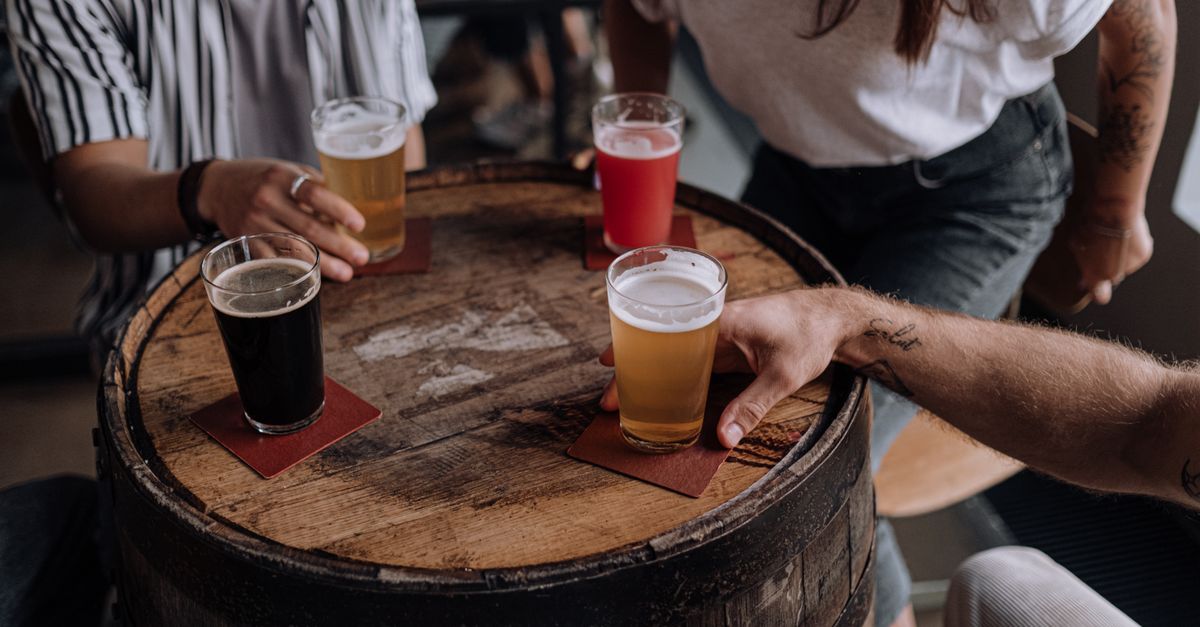
Authentic German food anchors the vendor offerings. Think schnitzel, soft pretzels, and red cabbage alongside the domestic and imported beers that give the festival its identity. The organizers have maintained a consistent emphasis on the Bavarian theme rather than letting it soften into a generic street fair, which is part of why the event has sustained both its reputation and its attendance figures across nineteen years.
Why Downtown McKinney Works for This
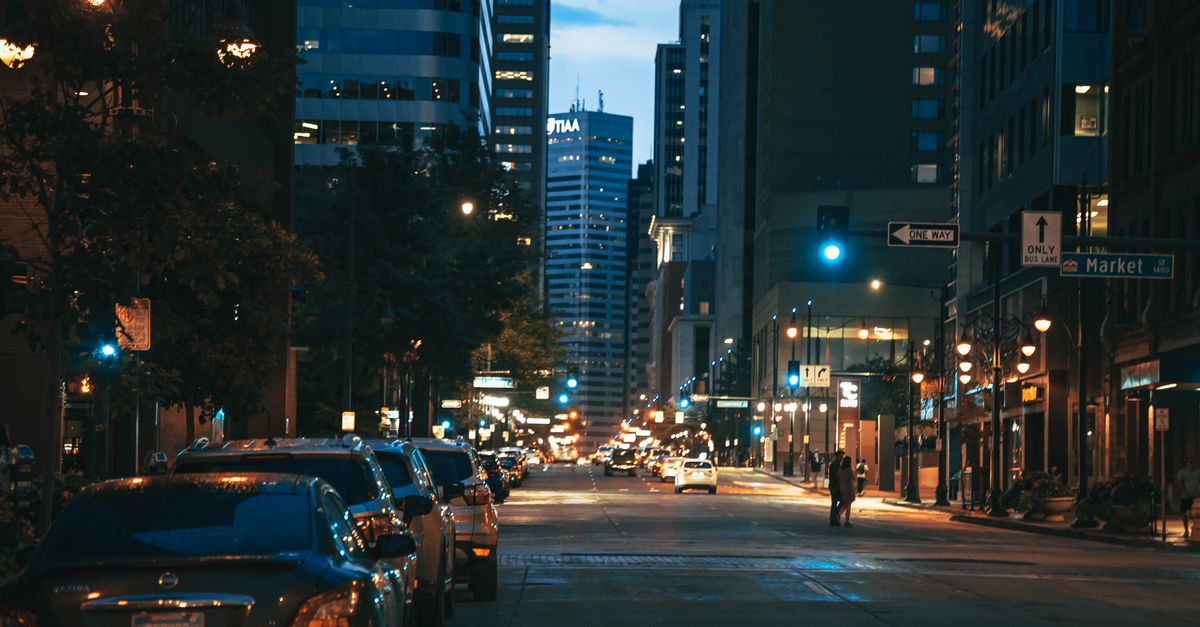
Not every city can host a festival of this scale in its historic core without the event feeling shoehorned. McKinney’s downtown square, with its 19th-century storefronts and walkable grid, happens to suit the format well. The streets close cleanly, the surrounding blocks offer enough depth for vendor rows and stage placement, and the existing character of the area — locally owned shops, galleries, and restaurants — gives the festival a backdrop that feels earned rather than manufactured.
For the businesses that line the square, the weekend represents one of the highest-traffic windows of the year. Shops that might see a few dozen Saturday visitors in a quieter month can expect foot traffic measured in thousands. Several downtown proprietors have noted over the years that Oktoberfest weekend alone justifies keeping extended hours through the end of September.
Children’s Activities and Costumes
The festival has never positioned itself as adults-only, and the programming reflects that. Children’s activities run throughout the weekend, giving parents a practical reason to bring the whole family rather than arrange a sitter. Traditional costumes are part of the experience rather than an afterthought — the crowd itself becomes part of the spectacle, with the density of dirndls and lederhosen increasing as the weekend goes on and first-timers realize they are underdressed for the occasion.
For families new to the event, Sunday’s noon-to-five window is often the recommended entry point: the crowds are lighter than Saturday, the grounds are still fully operational, and the atmosphere carries the relaxed energy of a celebration winding toward its close.
Nineteen Years and Still Growing
The fact that this is the 19th edition matters. Events that reach that milestone in a city the size of McKinney do so because the community keeps showing up, because the organizers keep improving the production, and because the thing being celebrated — in this case, a specific cultural tradition with food, music, and costume at its center — offers enough richness to sustain interest year after year.
McKinney has grown substantially over the past two decades. The city that hosted the first Oktoberfest is meaningfully different from the one gathering at 111 N. Tennessee Street this September. But the festival has scaled with it, absorbing a larger attendance base without losing the neighborhood feeling that makes it worth attending in the first place.
For anyone who has not been, or who skipped last year and is already regretting it, the calendar is clear: Friday evening the 25th through Sunday afternoon the 27th, free admission, Historic Downtown McKinney.